Destination Guatemala
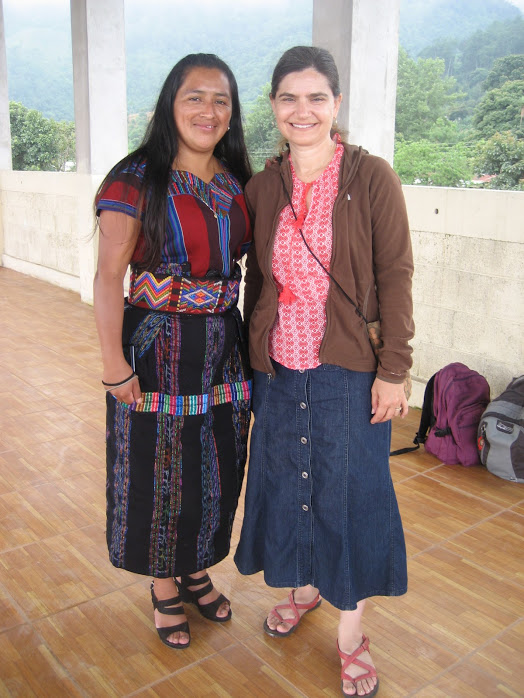
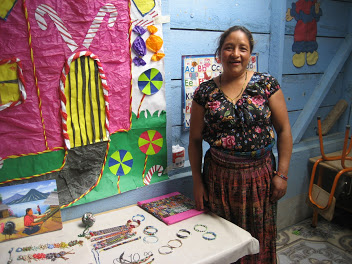
I leave for Guatemala tomorrow. It will be my fifth trip to Guatemala and third time visiting Panyebar, a small village in the Western Highlands where my friends and I help support a middle school, preschool and library. (I’m pictured with one of the teachers above.) The village is a magical place, a small town of about 2,000 people, nestled high in the mountains and often shrouded in mist. It is surrounded by fields of corn, beans and coffee, growing in rich volcanic soils.
There are few modern amenities in the village. People get their get water from a community tap; the houses are made with cinderblock and tin roofs. There are only a handful of cars on the dirt and stone paths that run through town. There is one small store filled with snacks and one small pharmacy where average folks can’t afford things like soda pop or even aspirin. Traveling to Panyebar is like going back in time. Life is simpler in some ways without modern technology, and everyone knows everyone else—which can be a blessing and a curse.
When I first traveled to Guatemala in the 90s, it was just recovering from a long civil war. The indigenous people had suffered great losses in the war and would continue to experience injustice for years. Indigenous people (which make up 42 percent of the population), still have many challenges. They complete less years of schooling than non-indigenous people (an average of only 2.5 years) and have far fewer resources in their rural communities. Partly because of this, Guatemala has the highest illiteracy rate in Central America.
These days, Guatemala is in the news often. A Washington Post article this week states that it is the top country of origin for the current wave of immigrants seeking asylum in the US. On our visits to the village we hear stories of people who have left seeking a better life. The price of coffee, the main crop, has plummeted due to competition from Brazil and other countries, as well as the effects of global warming. Coffee is no longer a sustainable way of life. Farmers operate at a loss. Meanwhile, those who move to the city face violence and corruption.
At times, I wonder if our small efforts make a difference in the face of these monumental problems. But those thoughts fade away when I see the faces of our Guatemalan friends. They receive us graciously, welcome us, put up with our imperfect Spanish and participate eagerly in any activities we bring. They offer us small gifts—some slices of mango or a friendship bracelet—and they braid our hair and try out a few words of English. They understand the value of “being” with one another and not just “doing” for the sake of doing. Partly, they don’t have the resources to “do” a lot. They have to “be” together much more than we individualistic Americans do. They have a sense of unity and community that is not perfect, but which is strong and resilient.
***
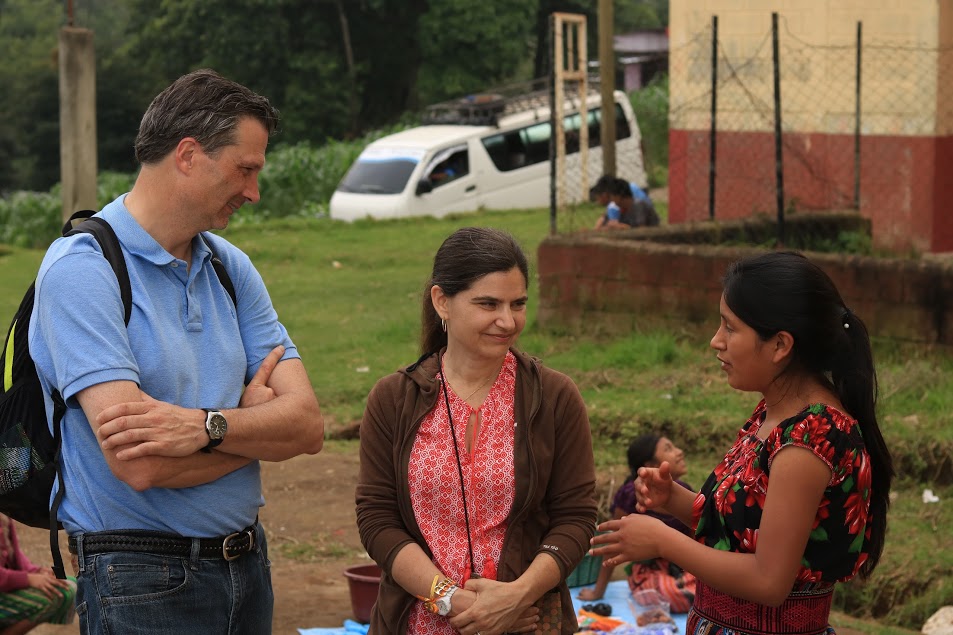 Two years ago in the village I met a young woman named Lucia, who was somewhere between 16 and 18 years old (and pictured in the photo above). She was the oldest daughter of nine children in a family headed by a woman named Dominga (pictured at the end of this post). Lucia wore a traditional Guatemalan falda (skirt) and huipil (blouse), like many women in the village. She didn’t smile easily. She told me she should have been in school but she had been suffering from a back problem and had to take time off. Now she was helping her mother Dominga at the preschool, a busy place with 50 children playing, drawing and running in and out of a little blue wood builidng.
The last day of our visit, Lucia invited me to her house, a few minutes’ walk up the hill from the preschool. Like most houses, it consisted of two rooms, a main room where meals were prepared on a wood-burning stove and a bedroom where the family of 11 slept on two beds. There was also a small extension in back where Lucia’s brother, Hermoncindo, worked on a large loom, weaving colorful strands of cloth into traditional Guatemalan fabric to make women’s skirts and other textiles. At the far end of the room was a small shrine with candles and religious symbols of the family’s Catholicism. About half the families in Panyebar are Catholic and half are Protestant, Lucia told me.
Lucia completed the home tour by showing me her chickens as we exited the house. We then exchanged e-mail addresses and I promised Lucia I would pray that she would be able to return to school. Three months later, I received an e-mail from Lucia saying her kind and strong mother Dominga had died suddenly of a stroke. I felt sad as I imagined the loss for the family and the fact that now Lucia would probably not be able to return to school.
***
Dominga was about 40 years old when she passed away. She smiled a lot and had a contagious laugh. During our trip two years ago she and a few other teachers at the preschool agreed to be interviewed by my son Miguel for a film. They bravely, and with some tears, told him their stories of growing up in Panyebar, facing hardships of illnesses or family conflict, and fighting to give their children a good life. This year we will show Miguel’s film about these women to the village. He dedicated the film to Dominga.
Now, as I return to Panyebar, I wonder about Lucia. What is she doing now? She’s written me a few brief e-mails to say hello but I have many questions. I also wonder about Hermoncindo, Lucia’s brother. He was attending law school part-time when I saw him two years ago working on the loom. He had hoped to finish and establish a legal practice in the village. Two years later, I wonder if he achieved his goal. And if he did, can he establish a sustainable business in Panyebar?
This year, there will be about 20 of us visiting Panyebar. We each bring unique personalities and gifts. Some of us will be working on a photo project with the middle schoolers, helping them creating self-portraits. We want them to feel proud of who they are and who they want to become. In the last 10 years, many kids in the middle school have gone onto high school—and a few, like Hermoncindo, to college. Why should their dreams be limited just because they live in a remote, small village?
In preparing for this trip, I am reminded that it is a privilege to be able to travel, to move where I want, when I want. Our Guatemalan friends do not have this privilege. Travel and movement is a costly decision for them. I count it as a blessing that I can step into other worlds, other hemispheres even, and have the chance to bring someone joy and understanding, even for a few moments, a week–or perhaps longer. I know that I am forever changed by relationships with these Guatemalans. I look at everything—immigration, work, education, relationships and time—through a different lens. I expect the Guatemalans view things differently too. I hope to write more about my experiences as they unfold.
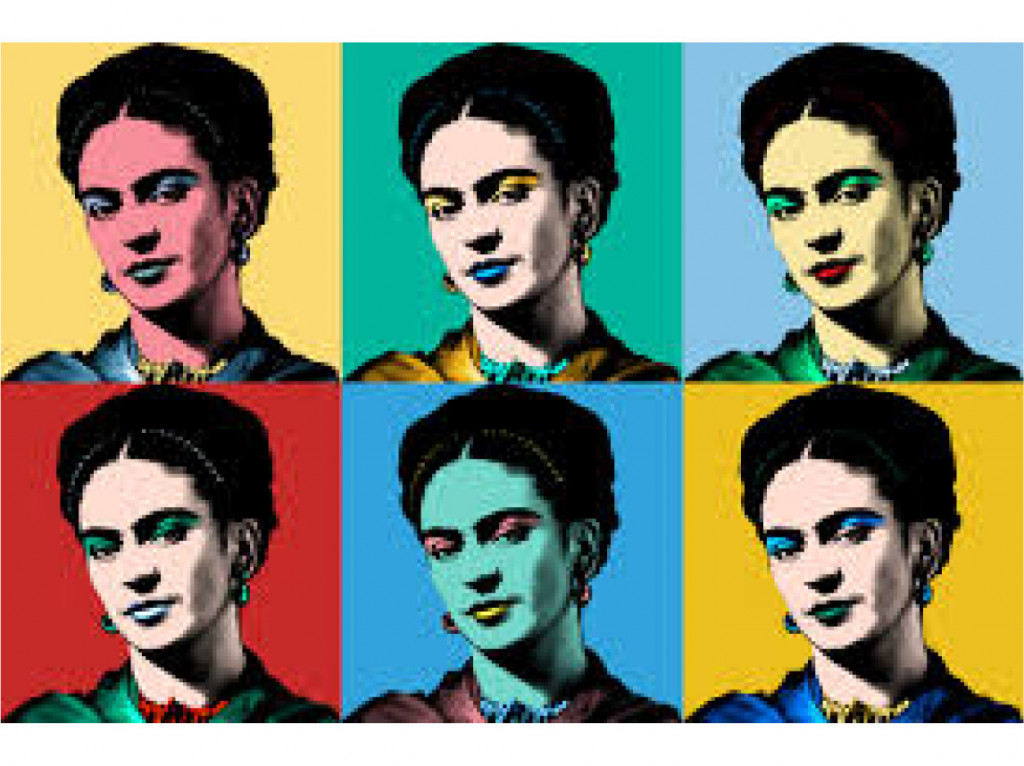 Why is it that we as a culture are so drawn to posting pictures of ourselves? Who would have guessed 10 years ago that we would spend so much of our time online posting and looking at photos of each other? I’m just as guilty as the next person of posting my photos and of looking at the photos of others. What does this say about me?
 Think Andy Warhol and his Marilyn Monroe paintings–or the variations above with Frida Kahlo.
 I plan to tell the middle schoolers in Guatemala that people, especially powerful ones, have been making portraits for hundreds of years. I think of walking through the Prado in Spain and seeing princes and kings in their regal clothes lining the walls. Artists too have experimented with portraits—Van Gough, Rembrandt and Picasso just to name a few.
 at least pensive, against his signature backdrop of wavy paint lines. How will the middle schoolers enhance their portraits? Whatever they do, It feels right and healthy that we “average people” these days can make our own portraits.
 What would Frida think of our culture today, with its selfie obsession? Is it a healthy way of self-expression or does it lead us down on a path of navel-gazing and inward focus, angst and anxiety? I suppose it’s a little of both. I also wonder what she would think of the cult built around her personality. Has she been so commodified as to lose her individuality and power as a symbol of political resistance? As Andy Warhol demonstrated, the line between art and commerce is a thin one at times.

 Lent begins today. Months ago, however, I knew what I should give up this season: worry.
 A few years ago Marie Kondo’s book “The Life Changing Magic of Tidying Up” became a huge hit, inspiring readers around the world to simplify and declutter their homes. Her mantra is “spark joy”— she urges people to purge their possessions and keep only those things which give them joy.


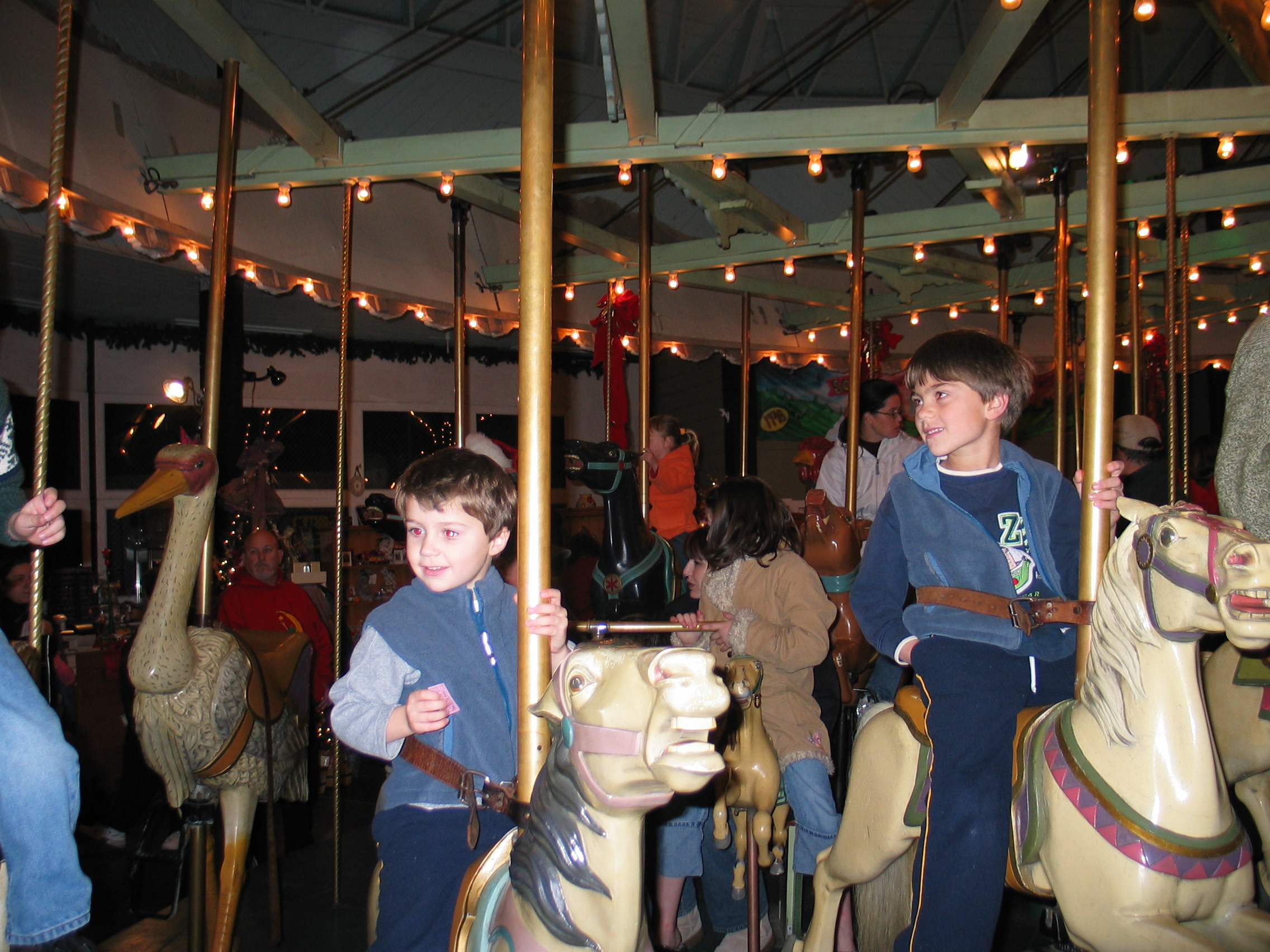 I am a mother on the cusp of change. My youngest son will leave for college next year. And this holiday season the familiar signs of Christmas—the sparkling lights, the ornaments on the tree and the special sweets—reminded me that as much as life stays the same, it doesn’t stand still.

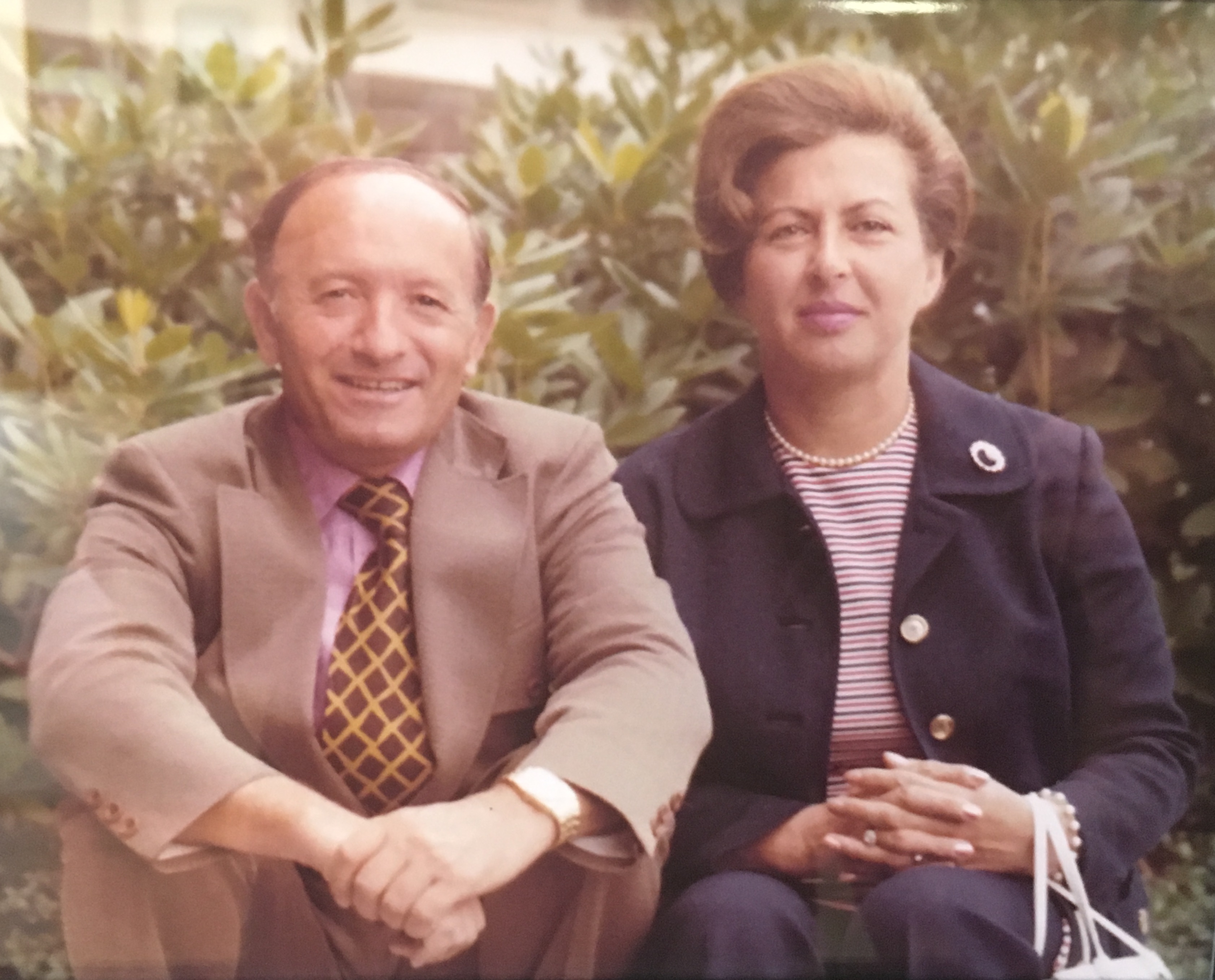 In many ways Sam Genirberg has the model American immigrant story. He came to the U.S. in 1948 with $50, earned $1.25 an hour at his first job in a warehouse and eventually started several successful businesses. He ran Moo’s, a popular ice cream parlor in Richmond, and then launched a real estate business, which he still manages today.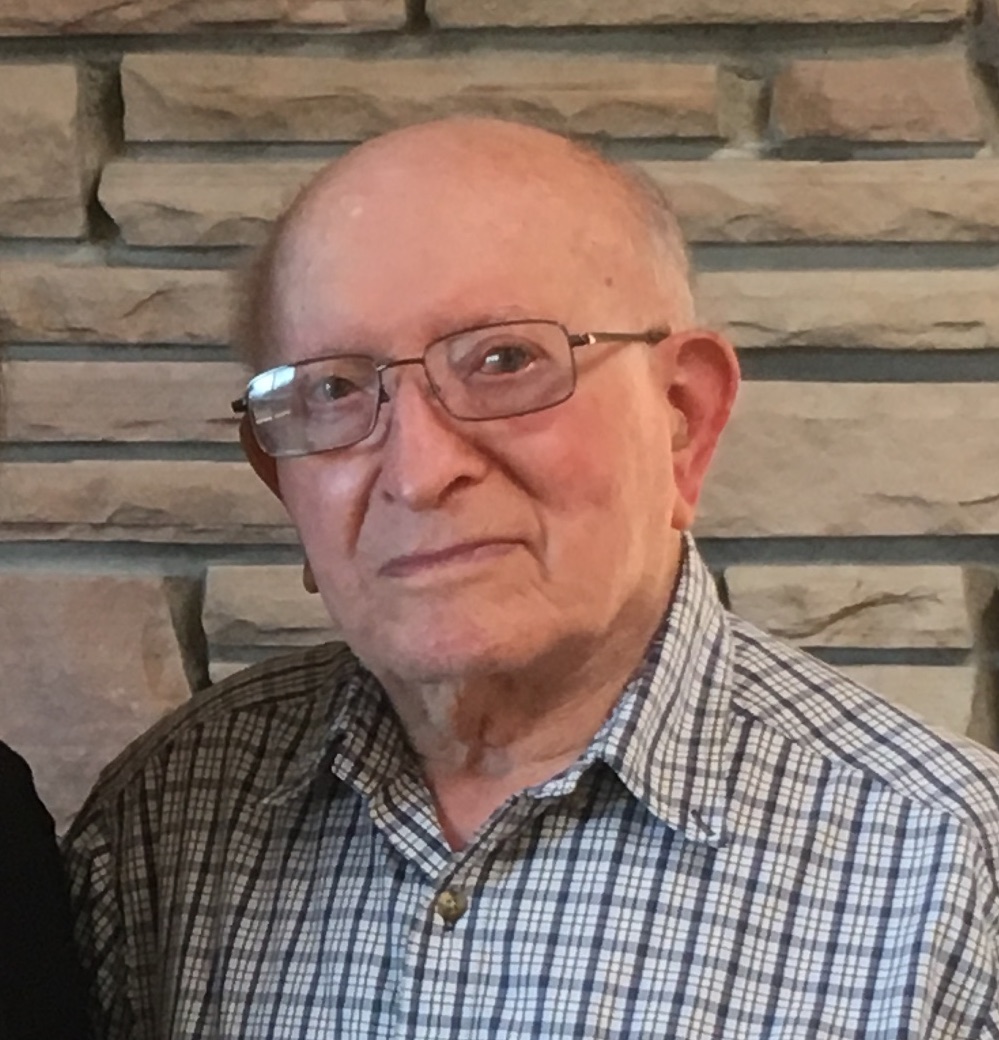

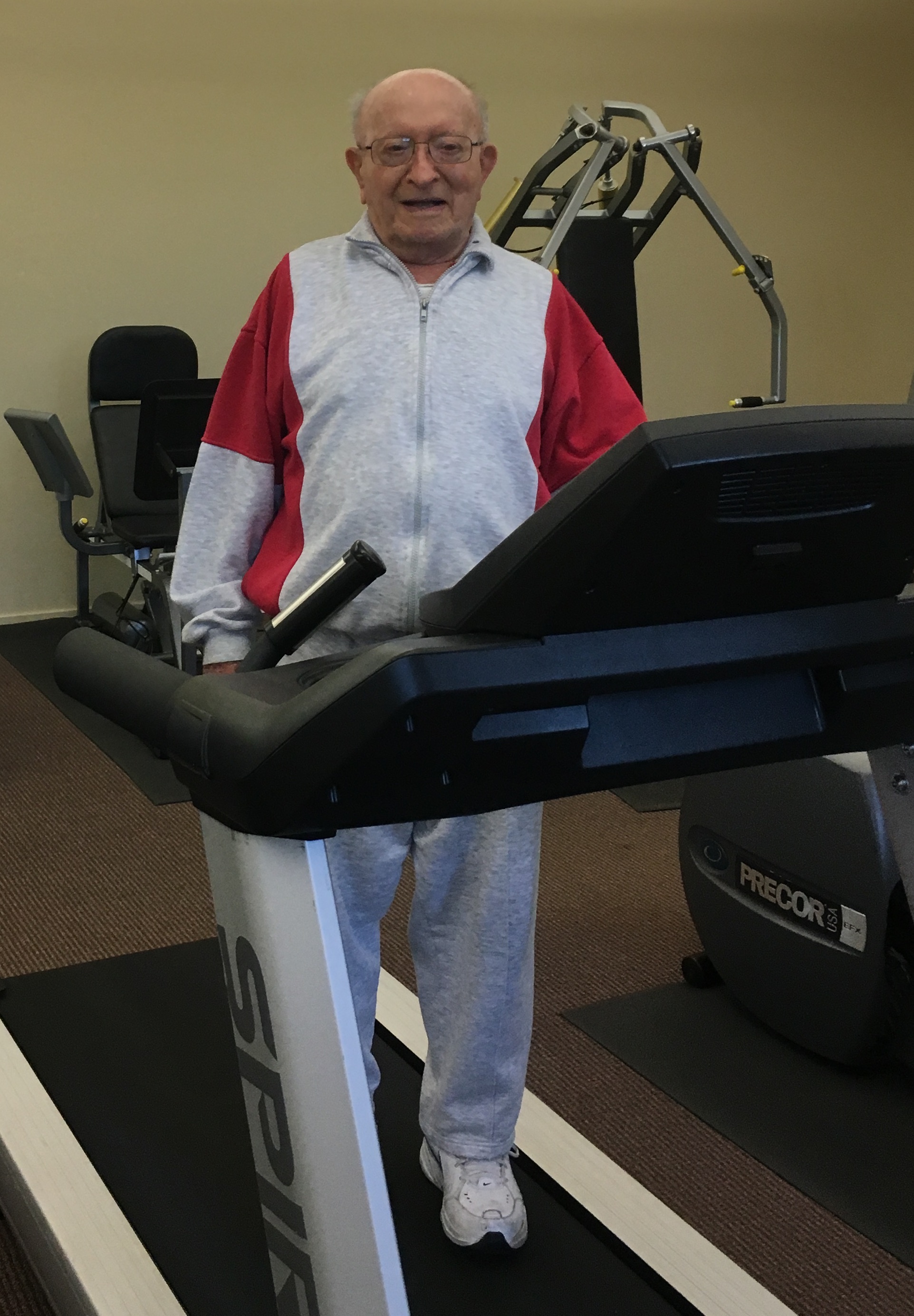
 Sam makes a point of telling me that in all the literature about the Holocaust, his story is unique—and he adds without irony—it may be the best. It is not set in a concentration camp. Instead, Sam worked in various factories, shops and farms in wartime Germany, all the while posing as a non-Jew. He was always one step away from being discovered and had to run away from work sites many times after co-workers began to suspect he was Jewish.